
Blog

Teen Refusing Treatment? Powerful Ways to Encourage Engagement
When a teen refuses therapy, it is important to understand that they need to want help for treatment to work. Resistance is common and can stem from stigma, fear of confidentiality breaches, belief that treatment won’t help or a desire to maintain independence.

What Role Could Online Gaming Play in Teen Mental Health?
An RPG therapy group can foster social skills, problem-solving and emotional resilience through immersive storytelling, teamwork and structured role-playing in a supportive and therapeutic gaming environment.

Staying Mentally Healthy During the Holidays
The holiday season is often described as “the most wonderful time of the year,” but for many, it can also [...]
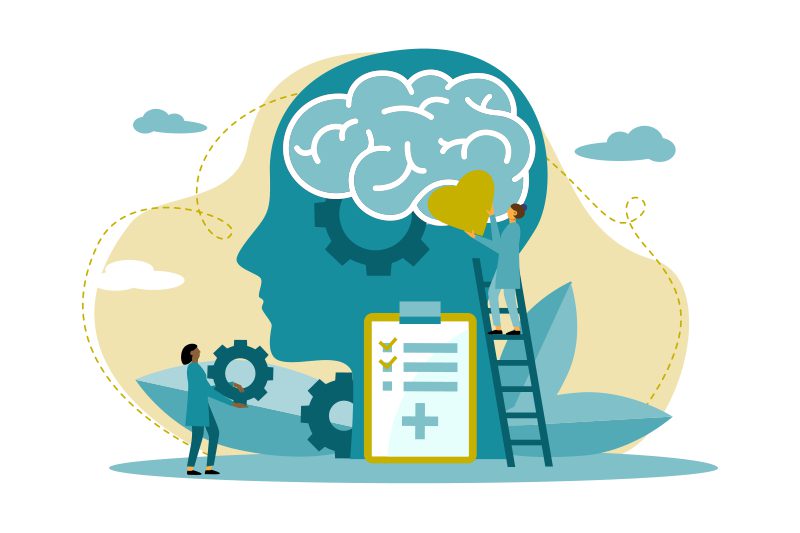
Recognizing the Mind-Body Connection
Holistic approaches are characterized by the treatment of the whole person, considering mental and social factors, rather than just symptoms. [...]

Mental Health Risks of Rural Isolation
Why Telehealth is a Lifeline in Wyoming Wyoming’s wide-open spaces are part of what makes our state beautiful. However, distance [...]

This Summer, Focus on Gratitude for Improved Well-Being
Individuals who practice gratitude experience fewer symptoms of anxiety and depression, a more positive mood and better overall mental health.

Improve Your Mood and Reduce Stress: Spend Time Outdoors
Sunlight and outdoor activities can have a positive impact on our mental health. A study by The National Library of Medicine shows that access to nature can improve mental well-being, overall health, cognitive development in children and lower psychological distress in teens.

Plan Now to Help Kids Stay Mentally Healthy This Summer
It’s important to keep kids engaged when school lets out. Summer is a great time for kids and teens to focus on their mental health. While it gives them a much-needed break, parents and caregivers should know that with the lack of structure and routine, some kids may slip and neglect to take care of their well-being.

Treatment for Post-Traumatic Stress Disorder (PTSD)
Did you know?…About six of every 100 people will experience PTSD in their lifetime, according to the National Center for PTSD, a U.S. Department of Veterans Affairs program. Additionally, people who experience traumatic events often have co-occurring conditions such as depression, substance use, anxiety, panic disorder or suicidal thoughts.
Healing Begins Here
We are here to help you take the next step in continuing your recovery.