TMS Therapy for Depression in Casper, Wyoming
Transcranial Magnetic Stimulation, or TMS, is a noninvasive outpatient treatment for adults with major depressive disorder who have not experienced satisfactory improvement from prior antidepressant medication. A clinical evaluation is required to determine whether TMS is appropriate.

On this page
TMS Quick Facts
Noninvasive
TMS does not involve surgery.
Outpatient Treatment
Treatment is provided through WBI’s outpatient program.
No Anesthesia
TMS treatment does not require anesthesia.
Clinical Evaluation First
The WBI team reviews treatment history and safety considerations before treatment begins.
Could TMS Be an Option for You?
TMS may be worth discussing when:
- An adult has been diagnosed with major depressive disorder
- Antidepressant medication has not provided sufficient improvement
- Medication side effects have made treatment difficult
- The person is interested in learning about a noninvasive outpatient option
A clinical evaluation is required. Insurance coverage and authorization requirements vary. Scheduling a screening does not guarantee treatment eligibility or insurance approval.
What Is Transcranial Magnetic Stimulation?
Transcranial Magnetic Stimulation, or TMS, uses magnetic pulses to stimulate areas of the brain involved in mood regulation. TMS is:
- Noninvasive
- Delivered on an outpatient basis
- Performed without anesthesia
- Designed to allow patients to return to normal daily activities after treatment
- Evaluated and prescribed through a clinical screening process
See What TMS Treatment Is Like
Watch this short video to learn how TMS works and what patients may experience during an outpatient treatment session.
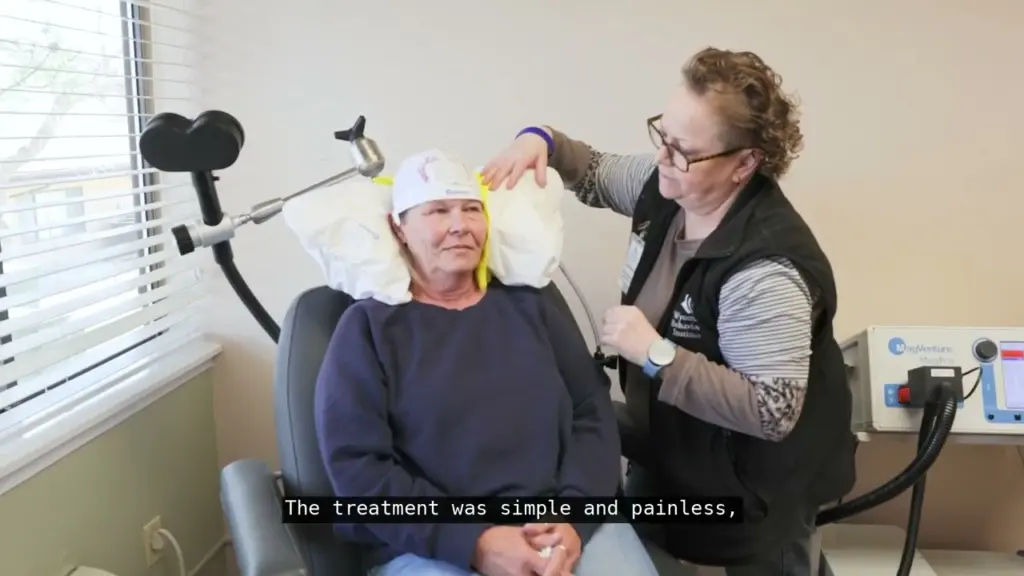
TMS treatment is provided on an outpatient basis and does not require anesthesia. A clinical evaluation is required to determine whether treatment is appropriate.
Safety and Side Effects
- Some patients experience temporary scalp discomfort or headache during or after treatment. TMS may not be appropriate for everyone.
- Before treatment begins, the WBI team reviews seizure history, medical history, current medications and certain metal or electronic implants.
- The clinical team will explain potential benefits, risks and safety considerations during the evaluation.
- The patient handout identifies scalp discomfort and headache as common side effects. The referral form includes screening questions related to seizures, neurological history, head injuries, medications and implanted devices.
What Happens Next?
Step 1: Schedule a Screening
Schedule through the WBI TMS TimeTap site or call 307-439-2139.
Step 2: Speak With the WBI Team
The WBI team will explain the screening process and identify the records or information needed.
Step 3: Complete a Clinical Evaluation
A qualified clinician will review symptoms, treatment history, medication history and safety considerations.
Step 4: Review Insurance Requirements
WBI will review insurance information and identify documentation or authorization requirements.
Step 5: Review the Treatment Plan
If TMS is clinically appropriate, the WBI team will explain the treatment schedule, next steps and any remaining insurance authorization requirements.
Online scheduling is for non-emergency TMS inquiries. If you are experiencing a mental health crisis, call 988 or go to the nearest emergency department.
Healthcare Professionals: Refer a Patient for TMS
Healthcare professionals may refer adults for TMS evaluation when major depressive disorder has not improved sufficiently with prior treatment. Submit the completed TMS referral and screening form with the patient’s medication history, insurance information and relevant clinical notes. WBI will review the submitted information and contact the referring provider regarding next steps and any additional documentation needed.
Referral Fax: 307-237-2166
Frequently Asked Questions
TMS Treatment in Casper, Wyoming
Wyoming Behavioral Institute
2521 E. 15th St.
Casper, WY 82609
TMS and Outpatient Phone: 307-439-2139
Take the Next Step
Learn whether a TMS evaluation may be appropriate. Schedule a screening online, call the WBI TMS team or submit a provider referral.

Healing Begins Here
We are here to help you take the next step in continuing your recovery.